



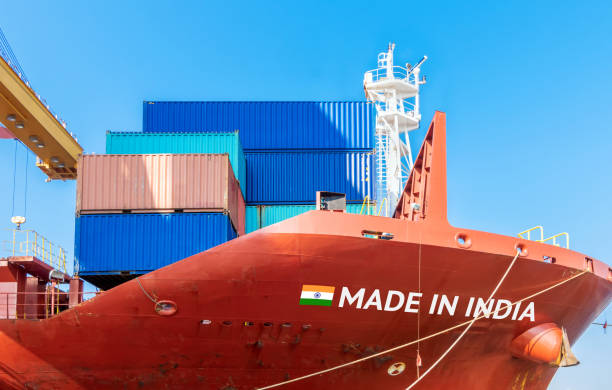
Landmark FTA slashes tariffs on textiles, whisky, and autos; aims to reshape global trade dynamics
July 25 — The United Kingdom and India have signed a long-awaited free trade agreement (FTA) that is projected to boost bilateral trade by more than $34 billion annually over the long term. Described by both governments as a “historic” pact, the deal significantly reduces or eliminates tariffs on a wide range of goods — including textiles, whisky, jewelry, and automobiles.
The agreement was officially signed on Thursday in the presence of Indian Prime Minister Narendra Modi and U.K. Prime Minister Keir Starmer, marking the culmination of three years of negotiations. Key sticking points in the talks included visa policies, tariff reductions, and tax incentives. Final momentum came as global markets reacted to U.S. President Donald Trump’s recent tariff threats.
Under the terms of the deal:
- 92% of U.K. exports to India will see tariffs reduced or eliminated.
- 99% of Indian exports to the U.K. will become tariff-free.
Trade in goods and services between the two countries stood at £40 billion in 2024. The new FTA is expected to raise that figure by £25.5 billion ($34B) annually by 2040, according to official estimates.
Prime Minister Starmer hailed the deal as one that will “boost wages, improve living standards, and lower prices for consumers.” Modi echoed the optimism, calling it “a blueprint for shared prosperity” that enhances Indian access to the U.K. market for key sectors like agriculture, engineering, and manufacturing.
Economists view the deal as a strategic victory for India’s trade diplomacy, particularly in reducing long-standing barriers for Indian goods.




Comments are closed