



Only eight trade agreements finalized as higher tariffs loom for much of the world
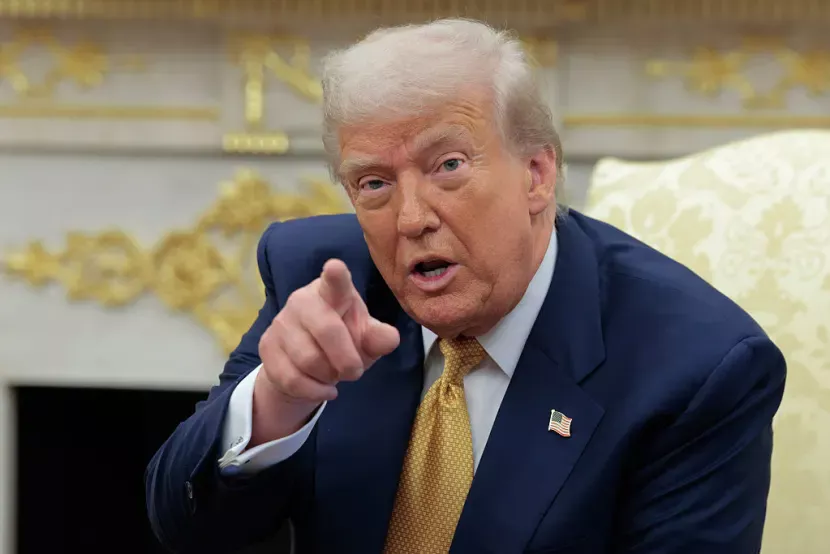
July 2025 — The Trump administration’s August 1 tariff deadline is fast approaching, with higher import duties set to take effect for countries lacking a trade deal with the United States. While the White House has twice delayed the so‑called “Liberation Day” tariffs — first from April 2 to July 9, and now to August 1 — negotiations have yielded far fewer agreements than initially promised.
📊 Trade Deal Scorecard
- Deals Signed: 8
- Initial White House Goal: “90 deals in 90 days” (Peter Navarro)
- Trump’s Claim in April: “Over 200 deals” in the works
- Reality: 8 deals in 120 days, including one with the European Union (27 members)
Countries with a Trade Deal
- European Union (27 countries)
- Seven other nations — details on some remain undisclosed but believed to include key allies in the Americas and Asia.
Countries Without a Deal
- China — No agreement reached; tariffs likely to escalate
- India — Still negotiating; unresolved agricultural and digital trade issues
- Japan — Disputes over auto tariffs and tech goods
- Brazil & Argentina — Ongoing talks on agriculture and metals
- Most of Africa — No formal agreements signed
Why It Matters
The August 1 deadline threatens to ratchet up global trade tensions, potentially adding new headwinds to the U.S. and global economies already facing slower growth and market volatility. Countries without deals will face higher import duties, potentially hitting supply chains, consumer prices, and export competitiveness.
Big Picture
The Trump administration’s aggressive tariff strategy has become a defining feature of its economic policy. While some agreements have been reached, most of the global economy still faces significant uncertainty heading into August. Investors, businesses, and consumers should prepare for possible price increases and supply disruptions if new tariffs are implemented as scheduled.






Comments are closed