



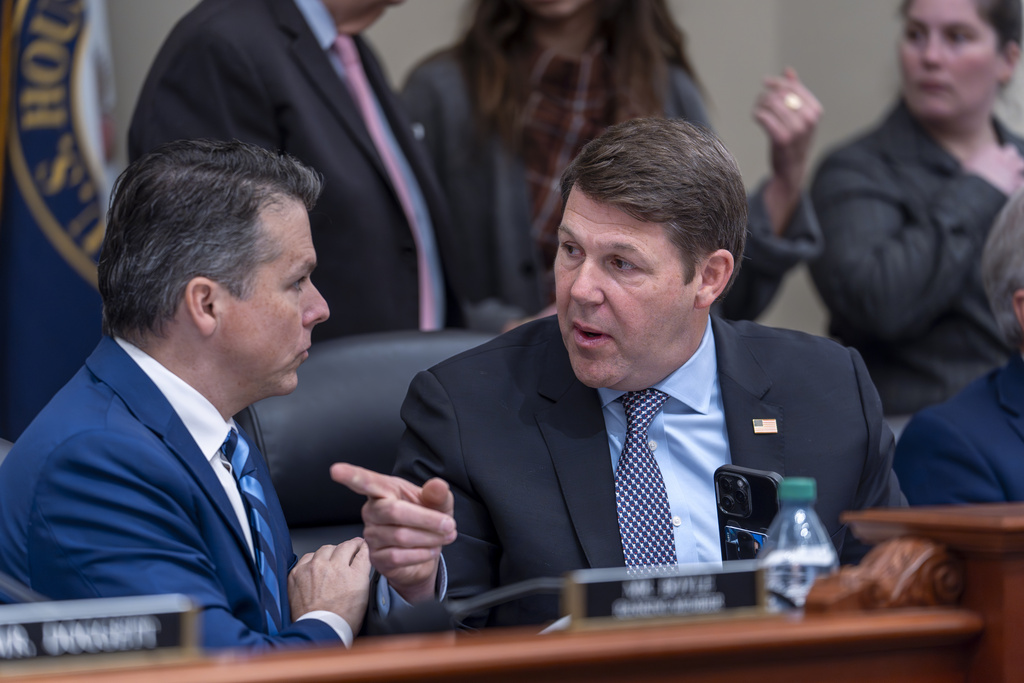
As Congress moves forward with its latest reconciliation bill, legislators are discussing a series of tax measures that could potentially harm one of the most reliable and impactful sectors in America: philanthropy.
Contained within the House proposal approved by the Ways and Means Committee last week were two troubling measures – a tiered excise tax on private foundation investment income and a provision that would allow the federal government to withdraw a nonprofit’s tax-exempt status based on vague or unproven claims, without any judicial review.
These changes pose a real threat to the charitable organizations that countless Americans have established using their hard-earned money to offer essential services such as food, shelter, education, and healthcare to their communities.
The excise tax increase would raise the current 1.39 percent flat rate on foundation investment income to potentially as high as 10 percent, based on asset size. Although this may seem insignificant from a legislative standpoint, the impact on communities would be significant. In Indiana, this increase is estimated to redirect over $2 billion away from local grantmaking over the next decade and divert it to the federal government.
This means $2 billion less for early childhood education programs, disaster relief efforts, services for veterans, and rural mental health initiatives – all currently supported by private foundations that step in to fill the gaps left by public resources.
This isn’t just harmful to larger institutions. Family foundations, community foundations, and individual donors across the nation could be penalized for responsibly managing long-term resources in ways that maximize community benefit. The message being sent is clear: philanthropy is no longer seen as a partner but as a revenue source for federal priorities.
Another problematic provision would grant new powers to the Treasury Secretary to withdraw a nonprofit’s tax-exempt status without due process. While we support national security and laws against terrorism, nonprofits are already subject to extensive federal oversight. Singling out this sector for unjust treatment by the government is unfair.
This proposal would allow revocation without judicial review or an impartial third-party process. For a sector that relies on public trust, such unchecked authority is not only unwarranted, but also risky. It could expose charitable work to political influence, misuse, and hinder legitimate charitable efforts.
Despite the removal of this provision in recent discussions, there are speculations that it might reappear. Philanthropy shouldn’t be treated as a substitute for government, but rather as an essential ally. Foundations around the country contribute to expanding broadband access, developing housing solutions, improving education, and promoting entrepreneurship, using private donations from individuals who believe in strengthening their communities.
Foundations are already held to exacting standards. They are required to meet strict annual payout criteria, report their activities publicly, and undergo continuous IRS scrutiny. The notion that foundations lack regulation or accountability is simply inaccurate.
This bill sets a worrying precedent: using charitable giving as a source of funding for the budget. The excise tax increase and tax-exempt status provision should not be included in the reconciliation bill as it progresses through the legislative process.
These proposals are not just symbolic; they can impact the accessibility of essential services for families, workers, and communities. Philanthropy doesn’t need special treatment, but it does deserve a fair framework that acknowledges its role in a diverse and healthy society. Taxing it excessively is not a step towards societal benefit – it’s a disservice.
Claudia Cummings serves as the president and CEO of the Indiana Philanthropy Alliance.






Comments are closed